
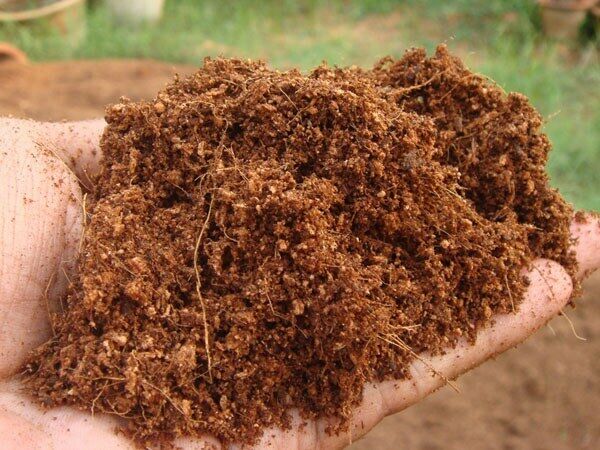
Cocopeat Production
Eco-friendly soil conditioner for horticulture and hydroponics. Cocopeat, also known as coir pith or coir dust, is a byproduct of coconut fiber extraction. It is a highly absorbent, lightweight, and biodegradable growing medium, widely used in horticulture, agriculture, hydroponics, and soil conditioning. With the increasing demand for eco-friendly and sustainable soil alternatives, cocopeat production presents an excellent business opportunity in both local and international markets.

Types of Cocopeat Products & Their Applications
- Cocopeat Blocks : Used in greenhouses, nurseries, and hydroponics. Expands when water is added.
- Cocopeat Powder/Loose Cocopeat: Used in potting soil mixes, landscaping, and seed germination.
- Cocopeat Grow Bags : Ideal for hydroponic vegetable farming (tomatoes, cucumbers, peppers).
- Cocopeat Pellets : Used in horticulture and animal bedding (absorbs moisture well).
Future Trends & Innovations in Cocopeat Production
Fill a jug of water and put it in the fridge for when you want a cool drink. Turn off the tap when you clean your teeth. A running tap uses up to nine litres of water a minute. Wait until you have a full load before using your washing machine or your dishwasher.
Prioritizing water management helps you eliminate water waste and keep your water infrastructure operating in peak condition. Using water efficiently decreases your water bill, and there are several other ways it drives down water-related costs.
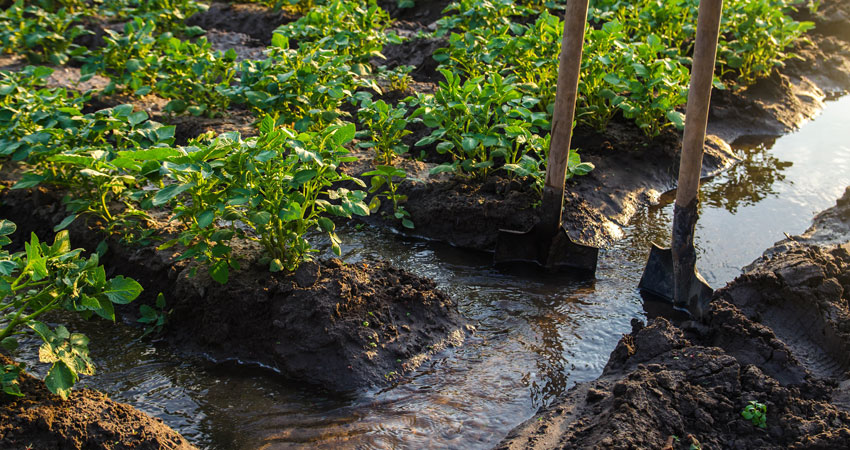
Most farmers use drip irrigation to save water. Although it is already a considerable improvement over traditional flood irrigation, there is still room for improvement. Instead of a water outlet on the surface, the new “System of Water for Agriculture Rejuvenation” (SWAR) technology provides underground irrigation
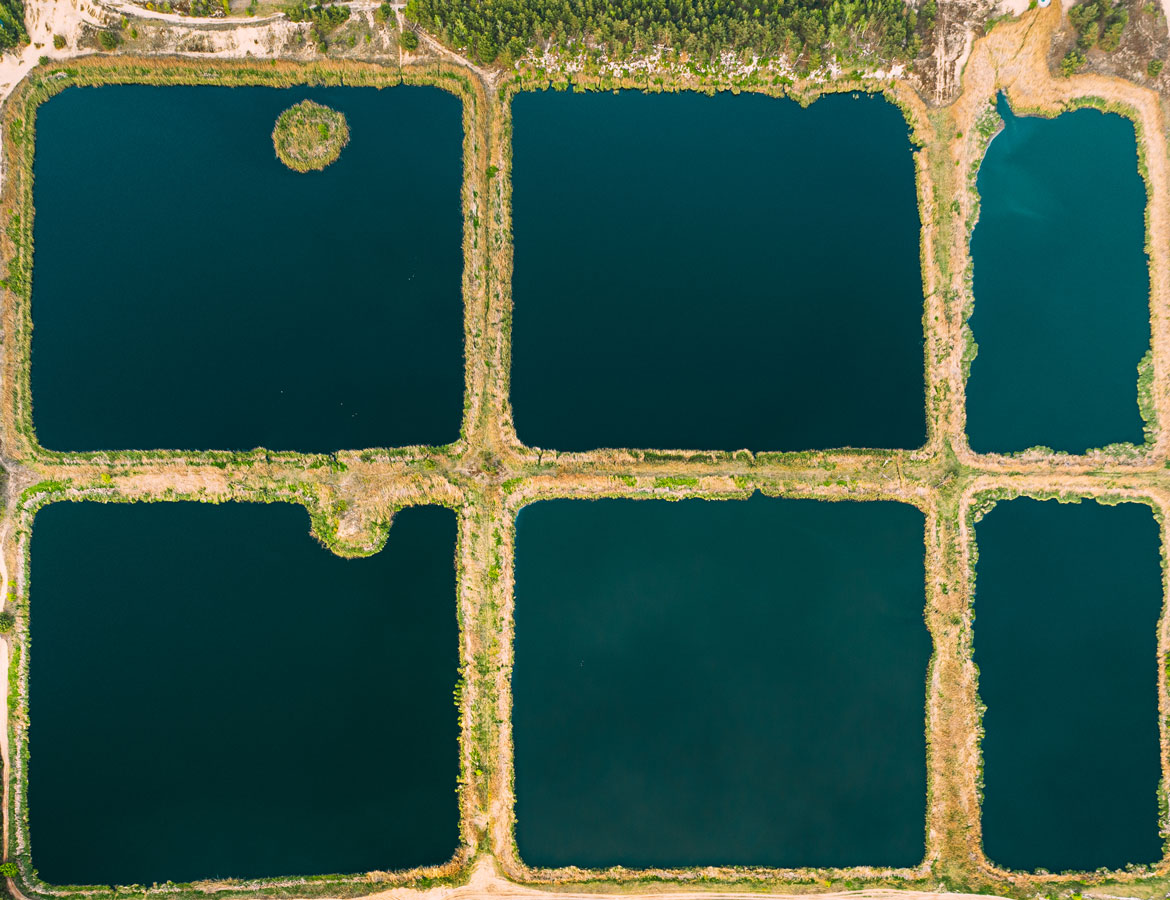
Our main sources of water for drinking, washing, agriculture and industry are surface water, groundwater and collected rainwater, all of which are dependent on rain and snow falling on the Earth's surface.