
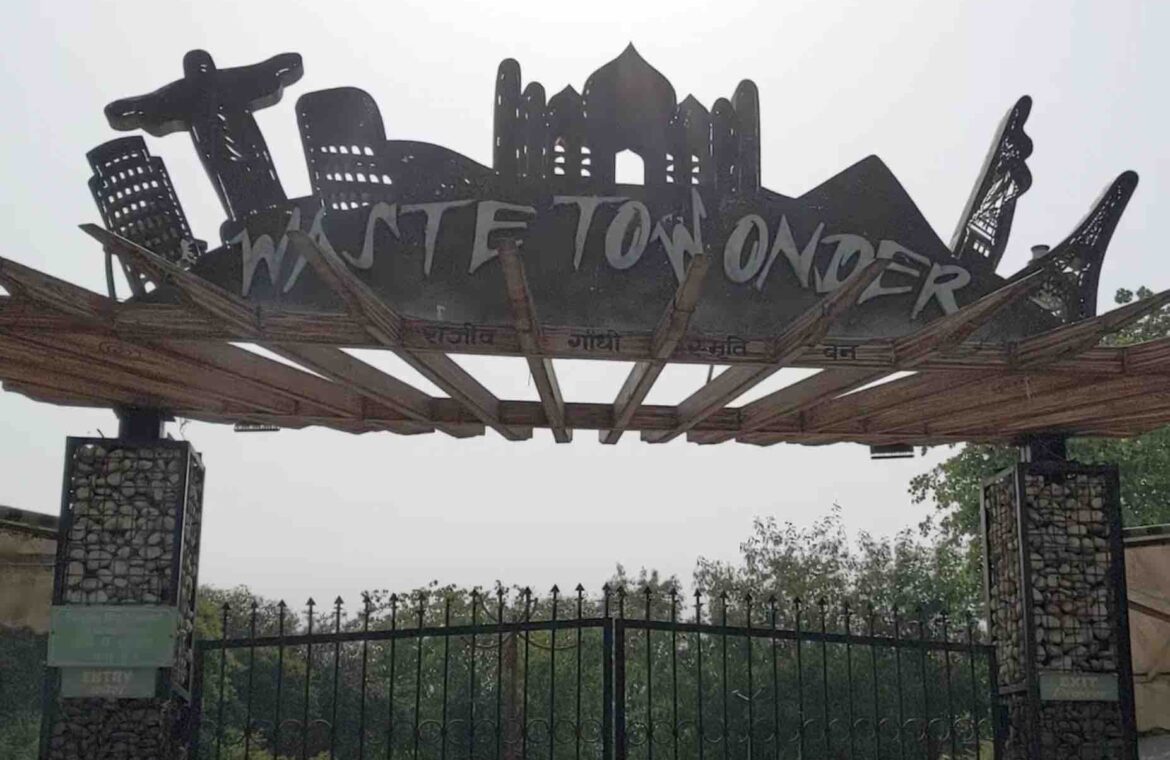
Waste-to-Wonder Workshops
Creating a mindset for RRR (Reduce, Reuse, Recycle), promoting circular economy principles, and encouraging sustainable choices in everyday life. Waste-to-Wonder Workshops focus on transforming waste materials into art, functional products, and innovative crafts. These workshops aim to promote sustainability, creativity, and environmental awareness while providing an interactive and educational experience for participants. They cater to schools, corporates, artists, environmentalists, and DIY enthusiasts.
Why Start a Waste-to-Wonder Workshop?
Future Trends & Growth Potential
Fill a jug of water and put it in the fridge for when you want a cool drink. Turn off the tap when you clean your teeth. A running tap uses up to nine litres of water a minute. Wait until you have a full load before using your washing machine or your dishwasher.
Prioritizing water management helps you eliminate water waste and keep your water infrastructure operating in peak condition. Using water efficiently decreases your water bill, and there are several other ways it drives down water-related costs.
Most farmers use drip irrigation to save water. Although it is already a considerable improvement over traditional flood irrigation, there is still room for improvement. Instead of a water outlet on the surface, the new “System of Water for Agriculture Rejuvenation” (SWAR) technology provides underground irrigation
Our main sources of water for drinking, washing, agriculture and industry are surface water, groundwater and collected rainwater, all of which are dependent on rain and snow falling on the Earth's surface.